
The guitar history timeline below outlines the evolution of various string instruments which ultimately become today’s modern guitars. *Rotate phone horizontally for best view.

3500 BC | Oud (Middle East) – The guitar’s origins trace back to the Middle East’s Uruk period between 3500 and 3200 BC.

3100 BC | Lute (Middle East) – Ancient Egyptians, Persians, Turks and Greeks were among the earliest pioneers of stringed instruments.

2600 BC | Lyre (Middle East) – The lyres of Ur were excavated in ancient Mesopotamia (modern Iraq). They are considered to be the world’s oldest surviving stringed instruments.

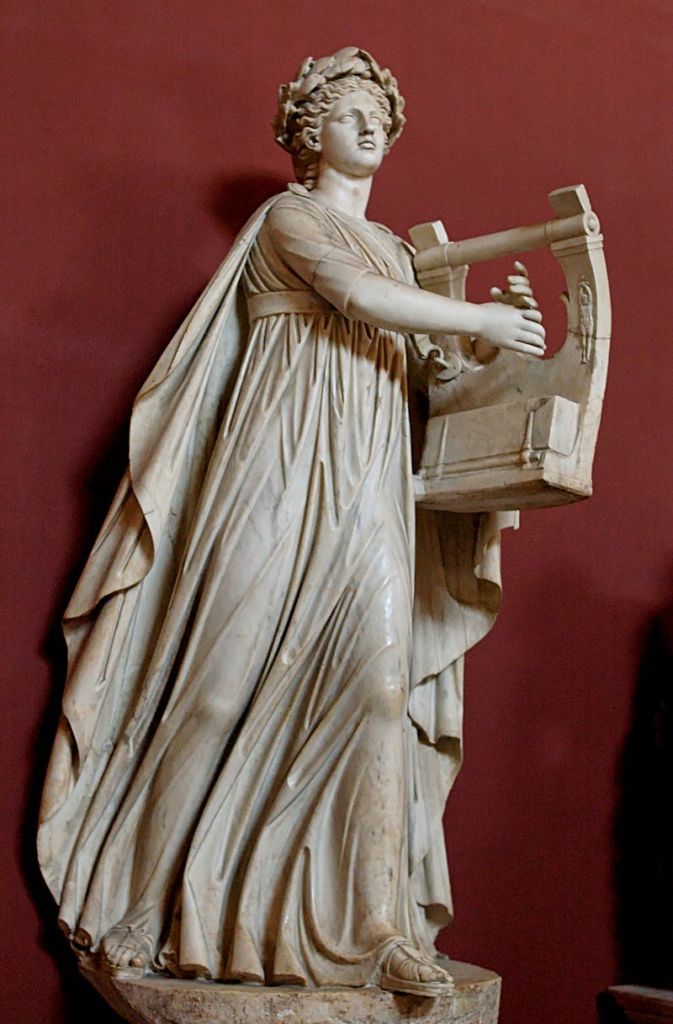
2000 BC | Kithara (Ancient Greece) – A stringed musical instrument related to the lyre and often associated with the god Apollo.
1500 BC | Tanbur (Ancient Greece) – A long-necked fretted lute resembling the long lutes of ancient Egypt and Babylon. It has a deep pear-shaped body, 1 to 4 dozen adjustable frets, and 2 to 10 metal strings arranged in single, double or triple courses.

1400 BC | Chitara (Ancient Rome) – Romans adopt the Greek kithara and call it a chitara.

300 BC | Pandura (Greece) – A 3-string full range chromatic scale instrument that produced any note between D3 and G5 (two and a half octaves).

COMMON ERA
40 CE Romans introduce their chitara to Portugal and Spain.

700s Moors introduce their oud to Iberian Peninsula.

800 – 1300 | Guitarra Latina (Spain) is a plucked string instrument with single string courses and normally played with a pick.

1400-1600 | Gittern (Spanish Renaissance Guitar) was one of the most popular instruments of the time. It was enjoyed by all levels of society, from royal appointment and religious services, to singing and dancing in taverns.

1500s | Vihuela (Spain) – Beginning of the most popular guitar design for the next 200 years.

TURKEY’S MOST POPULAR INSTRUMENT
1500s | Saz / Baglama (Turkey) has traditional tied movable frets and 3 courses of strings. Like the bouzouki in Greece and guitar in Spain, the Saz is still the most popular stringed instrument in Turkey.

1547 England’s Henry VIII is said to have had 21 guitars in his collection of musical instruments.

1630-1650 | Baroque Guitar (Spain) – The baroque guitar has less in common with the lute and other predecessors. Modern guitar features begin to emerge.

1750-1850 | Modern 6-String Guitar (Spain) becomes an instrument played by lower class folks. It is associated with drinking, dancing and singing in the streets and bars. This lifestyle is considered inappropriate for the more fashionable layers of society.

1779 | Earliest known (existing) 6-string guitar built by Gaetano Vinaccia (1759-1831) Naples, Italy

1780s | Standard tuning (EADGBE) becomes most popular tuning across Europe

1806 | Ludwig Van Beethoven declares “The guitar is an orchestra in itself.” He announced this at a concert in Vienna by guitar virtuoso Mauro Giuliani.

1825 | Modern Guitar (France) – François René Lacote begins developing the modern guitar. He uses metal frets, fixed bridges with ivory saddles, bridge pins and tuners arranged in slotted headstocks. These design developments enabled greater volume for public performance. They are still evident in today’s classical guitars.

1833 | Martin Guitars – 37-year-old C.F. Martin (1796-1867) leaves Germany due to the oppressive rules of the Instrument Guilds. He moves to New York and sets up shop at 196 Hudson Street. Below is the earliest known Martin guitar (1834), hand-built in New York by founder C.F. Martin Sr after arriving from Germany in 1833.

Continue Reading By Subscribing Now
Includes Histories of Gretsch, Gibson, Epiphone, Fender Strat, Taylor, and More!